Garage Door Lock Installation: What the Work Actually Involves
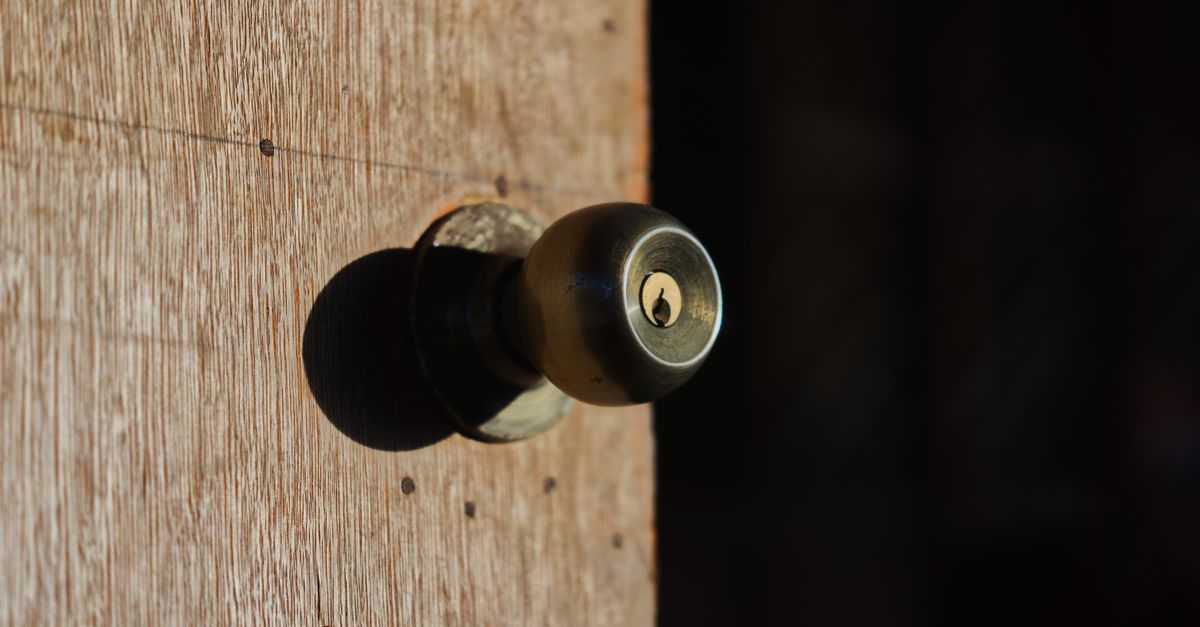
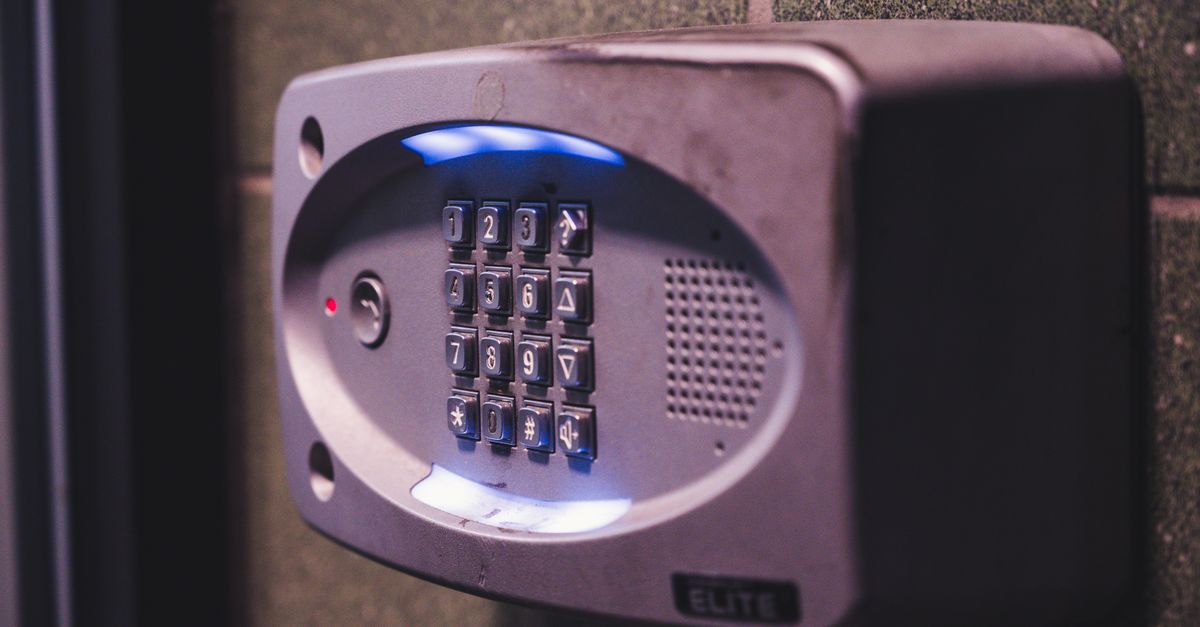
Lock installation on a garage door is not the same as swapping a knob on an interior bedroom door. The door material — steel, wood, fiberglass, or aluminum — dictates which hardware can be safely fitted without compromising the panel's structural integrity. The door's mechanism matters too: roll-up sectional doors, swing-out carriage doors, tilt-up one-piece panels, and pass-through pedestrian doors each require a different mounting approach and a different lock body. Our technicians arrive with a fully stocked service vehicle so the right hardware is on hand for the most common configurations in Wellesley's mix of Colonial, Victorian, and mid-century ranch homes.
For carriage-style and solid-panel garage doors, a mortise lock is often the strongest and most aesthetically appropriate choice. A mortise lock sits recessed inside a precisely routed pocket in the door edge, making it far harder to kick or pry than a surface-mounted rim lock. The cylinder, latch, and deadbolt all live inside a single steel case, and the escutcheon plates are fitted flush to the door face. Installing a mortise lock correctly requires measuring the door stile width, routing the mortise pocket to precise tolerances, and aligning the strike plate so the bolt engages fully under load. Jemmy Locksmith technicians are experienced with this level of detail work and treat every installation with the same care whether it is a main residence or a detached garage workshop.