
Why Office Lock Installation Demands a Commercial-Grade Approach
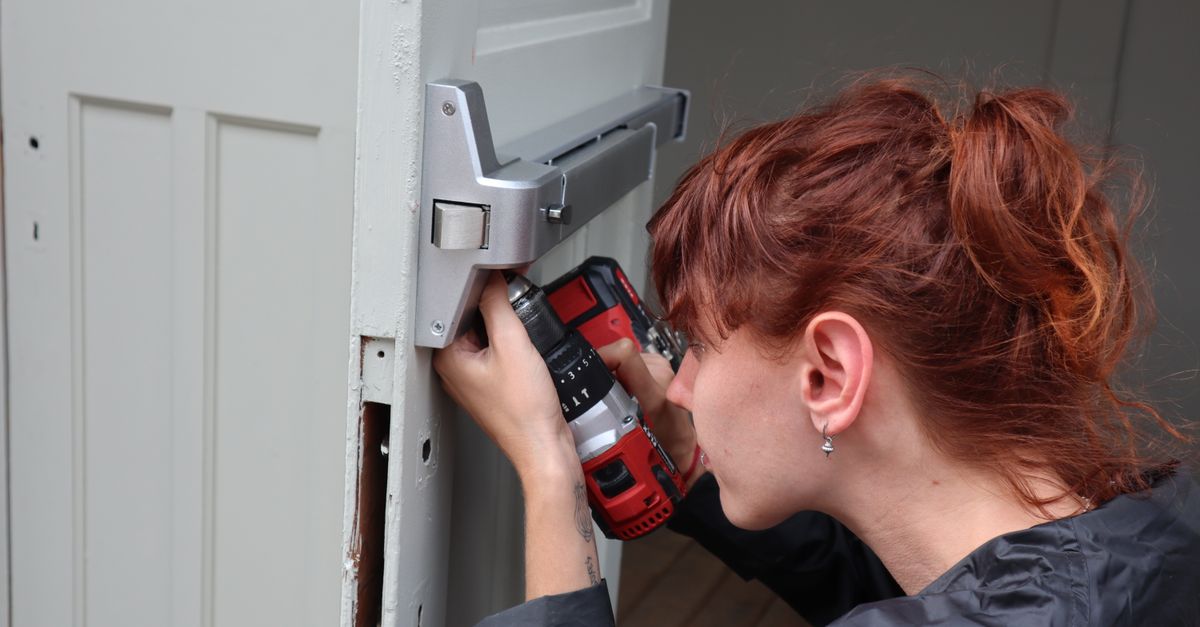
Residential hardware and commercial hardware are not interchangeable. A door knob lock rated for a bedroom sees perhaps a few dozen cycles per day; an office entry door in an active Wellesley professional building may see hundreds. ANSI Grade 1 hardware — the standard our team installs on commercial doors — is independently tested to withstand far higher cycle counts, greater torque force, and harder impact than the Grade 2 or Grade 3 products found at big-box retailers. When we assess your door, we look at frame construction, door thickness, hinge placement, and the existing prep (the cutout geometry inside the door edge) before recommending a product, because the wrong lock body in the wrong prep creates alignment problems that cause premature failure regardless of lock quality.
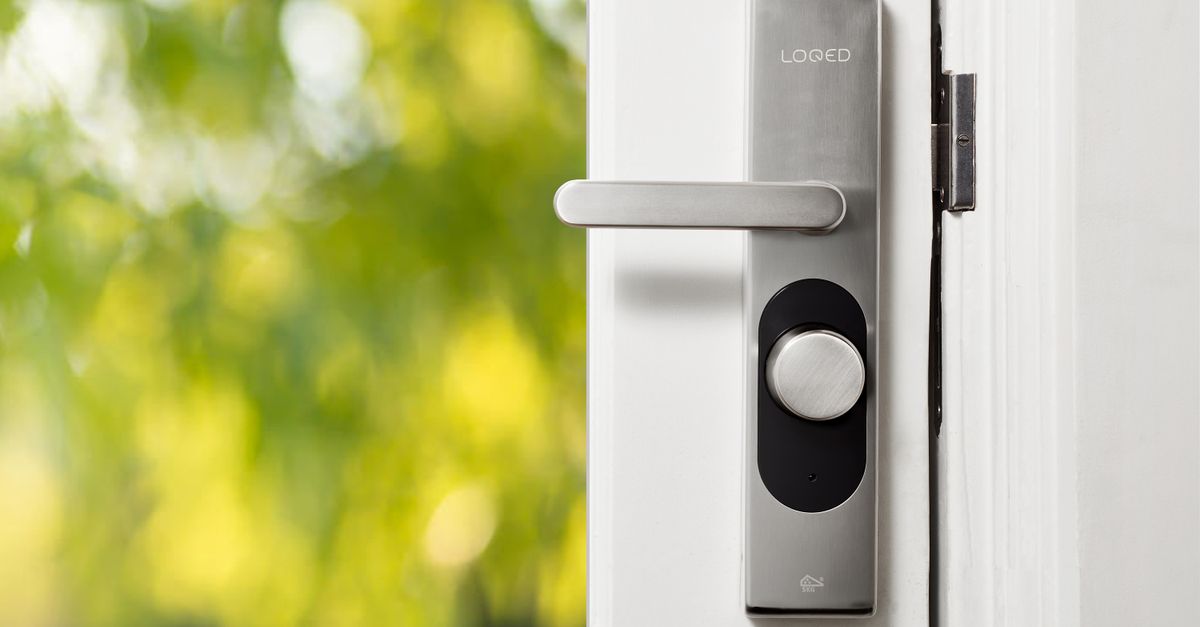
Mortise lock installation is at the heart of what we do for office environments. A mortise lock sits inside a rectangular pocket routed into the door edge rather than through a cylindrical bore, and that pocket-style fit distributes stress across a larger surface area. The result is a lock body that is harder to kick in, harder to pry, and easier to rekey or re-cylinder on site. Many older Wellesley office buildings — especially the converted Victorian-era structures you find along Central Street — already have mortise preps from original hardware, which means upgrading to a modern, high-security mortise lock body is often a direct swap our technicians can complete with minimal door modification and no damage to the door face.