Why Keys Break Inside Locks — and What Happens Next
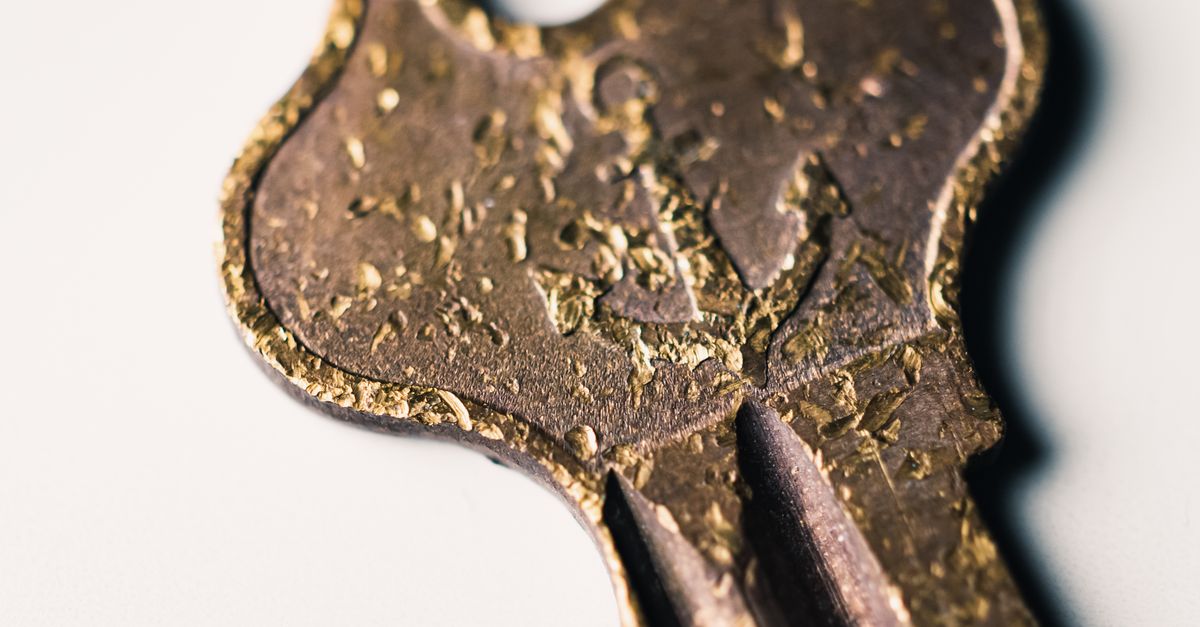
Keys are precision-cut pieces of metal, and they endure a surprising amount of stress over their lifetime. A worn key that has been copied one too many times, a lock cylinder that has stiffened from weather exposure or lack of lubrication, or even a moment of extra force when a lock is sticky — any of these can cause a key to snap inside the cylinder. Wellesley's older housing stock, including the Colonial and Victorian homes that line parts of Oakland Street and Cliff Road, often features door hardware that has seen decades of use. When cylinder mechanisms age without maintenance, they put uneven pressure on the key blade, accelerating the risk of a break.
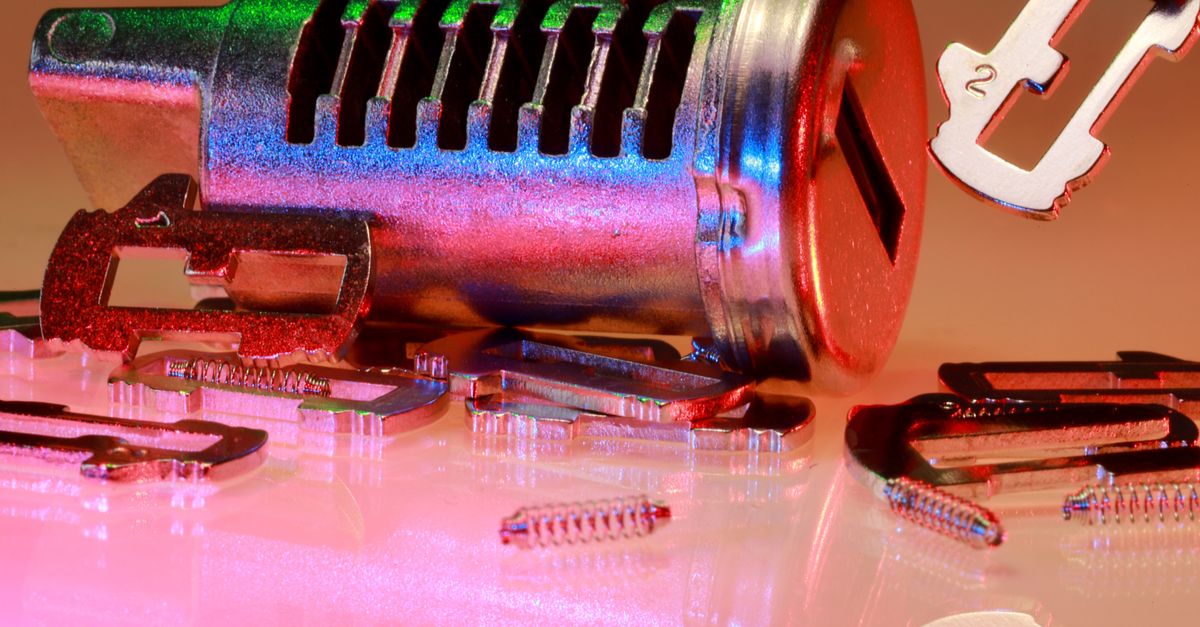
Once a key breaks off flush with or inside the keyway, the fragment typically jams the plug so the lock cannot turn at all. Trying to extract the piece with household items — a pen cap, a bobby pin, or even needle-nose pliers — almost always makes the situation worse. Metal fragments get pushed deeper, the keyway gets scratched, and in some cases the cylinder itself gets damaged, turning a simple extraction into a full cylinder replacement. The safest, most cost-effective first call is to a trained professional with the proper extraction hooks, plug followers, and key-extractor sets designed specifically for this task.