Jemmy Locksmith Service Team
Local locksmith team
Jun 22, 2026 12 min read
If you've ever stood in a hardware store staring at a wall of door hardware wondering whether you need a mortise lock or a simple door knob lock, you're not alone. Wellesley homeowners — from Tudor-style colonials off Washington Street to newer construction near Linden Square — face this exact question whenever they're upgrading security or replacing worn-out hardware. The right choice depends on your door's construction, how often the entrance is used, and the level of security you want.
This guide breaks down both lock types in plain language so you can walk into that conversation with a locksmith — or a hardware supplier — knowing exactly what you need. And if you'd rather skip the research and get a professional assessment of your specific door, our team at Jemmy Locksmith is available around the clock. Call (781) 568-5922 any time — we answer 24/7.
## What Is a Mortise Lock — and Why Does It Matter for Your Home?
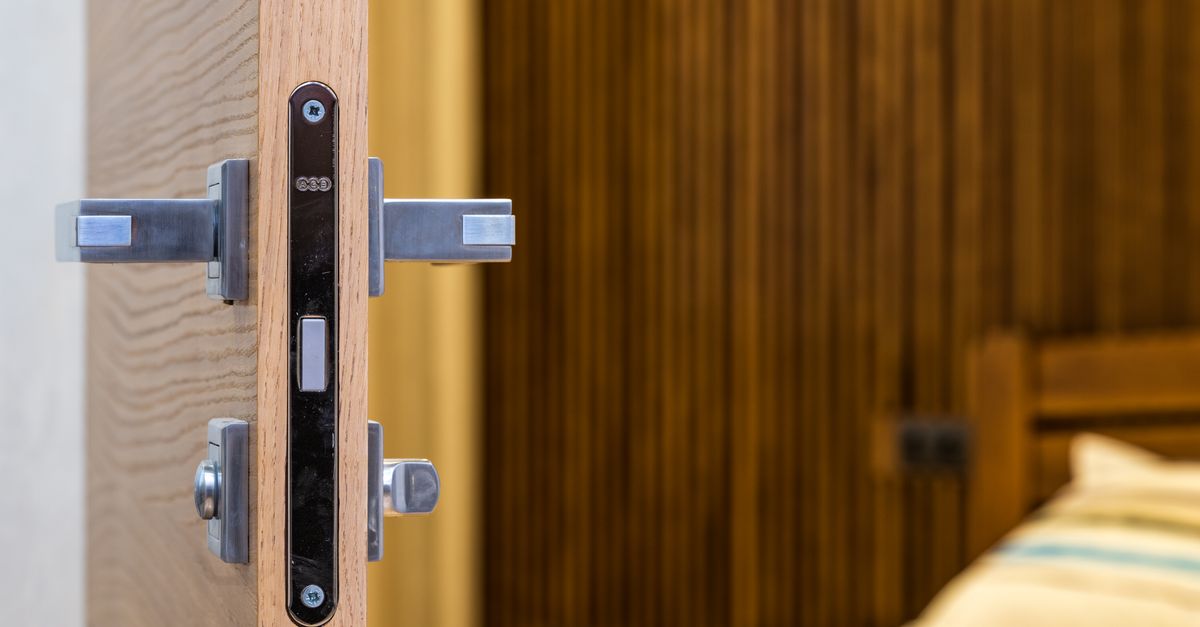
A mortise lock is a lock mechanism that is set into a deep, rectangular pocket — the 'mortise' — cut directly into the edge of the door. Instead of sitting on the surface of the door like a standard knob or lever, the entire lock body is housed inside the door itself. This means the lock body, latch, deadbolt, and strike plate work together as a single, integrated unit. The result is a mechanism that is firmly anchored into the door's core rather than attached to its face. Mortise lock sets are common on older New England homes — including many of the late-19th and early-20th century properties throughout Wellesley Hills and the Cliff Estates neighborhood — where thick solid-wood doors were built specifically to accommodate them.
Because the lock body is recessed into the door, there is significantly less exposed hardware for a would-be intruder to attack. A mortise lock set typically includes a spring latch for everyday entry, a full deadbolt throw for nighttime security, and often a turn knob or lever handle — all controlled through one elegant escutcheon plate. This multi-point functionality in one unit is a big reason why architects, historic preservation contractors, and experienced locksmiths consistently recommend mortise hardware for front doors that see heavy daily use or that need to meet higher security standards.
## Door Knob Lock Basics: Where the Cylindrical Knob Lock Fits In
The door knob lock — technically called a cylindrical or bored lock — is the most familiar piece of residential door hardware in America. A locksmith drills two intersecting holes through the door face and edge, and the knob or lever assembly clicks into place with a few screws. It is quick to install, widely available in finishes from brushed nickel to matte black, and far less invasive to the door than a mortise installation. A door knob with lock and key is what you'll find on most interior bedroom and bathroom doors, as well as on many exterior side and back doors where traffic is lighter.
That convenience comes with trade-offs. Because a knob lock's cylinder sits exposed in the center of the knob, it can be vulnerable to certain physical attacks — namely the kind of twisting force that can shear the knob from its spindle on lower-grade hardware. A quality knob lock from a reputable brand, installed correctly with a reinforced strike plate and three-inch screws, is meaningfully more secure than a bargain unit slapped in by a previous owner. But even at its best, a standalone knob lock is generally considered a secondary line of defense on exterior doors rather than the primary security layer. Pairing a quality knob lock with a separate deadbolt is the most common and practical approach for Wellesley homeowners who want to keep a cylindrical setup on their main entry.
## Head-to-Head: Mortise Lock vs. Door Knob Lock — Five Factors That Decide
Security strength: A properly installed mortise lock set wins on raw security for front doors. The deep pocket installation, the longer bolt throw, and the reinforced mounting points make forced entry significantly harder. That said, a Grade 1 cylindrical deadbolt-and-knob combination — the standard recommended by most professional locksmiths — provides solid protection for the majority of residential applications. Door construction: Mortise locks require a door at least 1.75 inches thick with enough solid wood or composite material to accept the pocket cut without compromising structural integrity. Hollow-core interior doors and some steel entry doors with foam cores are poor candidates. Cylindrical knob locks work in almost any door thickness and can be fitted to hollow-core doors without concern. Installation complexity: A mortise installation is a skilled job. Cutting the mortise pocket to exact dimensions, chiseling clean corners, and aligning the faceplate flush with the door edge requires precision. An inexperienced installer can weaken the door or produce a misaligned mechanism that binds over time. Cylindrical lock installation is more forgiving and faster, though proper alignment and a reinforced strike plate still matter. Aesthetics: Mortise hardware — especially antique brass or oil-rubbed bronze escutcheon sets — suits the architectural character of Wellesley's older Colonial Revival and Victorian homes beautifully. Modern cylindrical hardware offers far more contemporary style options. Budget factors: Both lock types vary widely in quality and price. For a mortise lock set, factors that affect your final quote from a locksmith include the specific lock grade and brand, whether an existing mortise pocket needs to be modified or cut fresh, the hardware finish selected, the time of day of the appointment, and travel distance. For cylindrical locks, the grade of the hardware and the condition of the existing bore holes factor in. At Jemmy Locksmith, we confirm your exact up-front price before any work begins — no surprises on the invoice.
Maintenance and longevity: Mortise locks, especially older ones found in Wellesley's historic housing stock, can last generations when properly maintained. Worn internal springs and tumblers are generally replaceable without swapping the entire lock body. Cylindrical knob locks have a shorter average lifespan under heavy use — a busy front door may need the mechanism replaced every ten to fifteen years. Lubricate both types annually with a graphite or dry PTFE lubricant (not WD-40, which attracts dust and gums up over time) to keep them operating smoothly.
## Can a Locksmith Open Any Lock? What a Professional Emergency Locksmith Can Actually Do
A question our team hears constantly: what locks can locksmiths not open? The honest answer is that a skilled, experienced locksmith can open the vast majority of residential locks through legitimate, non-destructive techniques — picking, decoding, or bypass methods that leave the lock and door intact. High-security locks with anti-pick, anti-bump, and anti-drill features — such as certain Grade 1 deadbolts with hardened steel inserts and spool pins — take longer and occasionally require destructive entry, meaning the lock cylinder may need to be drilled and replaced. Smart locks with active electronic alarms or proprietary encrypted electronics may also require manufacturer-specific approaches. The short answer: if you're locked out of your Wellesley home, call a professional emergency locksmith before assuming the lock cannot be opened without damage. Destroying a door or lock is always the last resort, not the first.
Can a locksmith just unlock a door? Yes — but a reputable locksmith will first verify that you have the right to access that property. Expect to show ID and, for rental properties, documentation showing your right of occupancy. This ownership verification step protects everyone and is standard practice for any insured, professional locksmith. If you've lost your keys, our team will confirm identity and then work to get you back inside as quickly as possible using the least invasive technique available. Jemmy Locksmith operates 24/7 across Wellesley and surrounding communities — including Needham, Natick, and Newton — so a trained technician is never far away when you need one. Call (781) 568-5922 any time.
## Locksmith Call-Out Fees, Mortise Lock Services, and What to Expect from Jemmy Locksmith Wellesley
Two of the most searched questions in our industry are 'What is a locksmith call out fee?' and 'What is the average call out fee for a locksmith?' — and they deserve a straight answer. A call-out or service fee is the base charge a locksmith applies to respond to your location, separate from labor and parts. The factors that shape what you pay include the time of day (overnight and holiday calls carry a premium over standard business hours), the distance the technician travels to reach you, the complexity of the job, whether parts such as a new mortise lock set or cylindrical lock cylinder are needed, and your door type. At Jemmy Locksmith, we quote an exact, confirmed price up front before a single tool comes out of the bag. You'll know the full cost before we begin — no hidden fees added after the fact.
Our locksmith services cover far more than lockouts. Here is a representative list of what our mobile team handles across the Wellesley area: residential lockout response, commercial lockout response, mortise lock installation, mortise lock repair and rebuild, mortise lock rekeying, cylindrical knob lock installation, cylindrical lock rekeying, deadbolt installation, deadbolt upgrade, high-security lock installation, smart lock installation, smart lock troubleshooting, lock cylinder replacement, master key system setup, master key system expansion, key duplication, broken key extraction, lock lubrication and maintenance, door hardware alignment and adjustment, strike plate reinforcement, door frame repair after forced entry, mailbox lock replacement, garage side door lock installation, storage unit lock replacement, car lockout service, auto key programming, transponder key cutting, ignition lock cylinder service, safe opening, and safe combination change. Whether your 1920s Wellesley Hills front door needs its original mortise hardware rebuilt or your new construction in the Cliff Estates needs a smart lock integrated with a modern deadbolt, our team has done that specific job before.
## Making Your Decision: A Practical Checklist Before You Buy Any Hardware
Before committing to a mortise lock set or a door knob lock, work through these five questions. First, how old is your door and what is it made of? If you have a thick, solid-wood door with an existing mortise pocket — very common in Wellesley homes built before 1960 — restoring or upgrading the existing mortise hardware is almost always the right call, both for security and for preserving the door's original character. Second, what is the door's primary function? A front entry door used dozens of times a day benefits from the durability and integrated security of a mortise lock. A back mudroom door used mainly to let the dog out is a fine candidate for a quality cylindrical knob lock paired with a deadbolt. Third, who will install it? Mortise installation is not a confident-DIYer job for most homeowners — an improperly cut mortise pocket weakens the door structurally. Hire an experienced locksmith for any mortise work. Fourth, what is your security priority? If you want the highest practical security on a budget, a Grade 1 deadbolt plus a Grade 1 knob lock on a reinforced frame outperforms a low-grade mortise set. Quality matters more than lock type. Fifth, does the hardware need to match existing pieces on the door? Replacing half a matched set with mismatched hardware looks awkward and can create mechanical compatibility issues — especially with mortise escutcheon plates, which come in many profile sizes.
If you answer these questions and still aren't certain which direction to go, that's what we're here for. A Jemmy Locksmith technician can assess your door in person, show you hardware options, and give you a firm price before anything is ordered or installed. We're a mobile locksmith team serving Wellesley, MA and the surrounding MetroWest and Greater Boston communities 24 hours a day, seven days a week. Call (781) 568-5922 — we answer every call, day or night.
Frequently asked questions
What is a mortise lock and how is it different from a regular door knob lock?+
A mortise lock is installed inside a deep rectangular pocket cut into the door's edge, housing the latch, deadbolt, and sometimes a turn piece all in one integrated body. A standard door knob lock (also called a cylindrical lock) is installed through two drilled holes in the door face and sits much closer to the door surface. Mortise locks are generally stronger and more durable under heavy use, while cylindrical knob locks are easier to install and replace and work in a wider variety of door types.
Can a locksmith open a mortise lock if I'm locked out?+
In most cases, yes. An experienced locksmith has the tools and techniques to open a mortise lock non-destructively, leaving both the lock and door intact. High-security mortise locks with anti-pick features may take longer, and in rare cases a cylinder may need to be drilled and replaced — but this is always a last resort. At Jemmy Locksmith, our technicians assess the lock first and choose the least invasive method available. We'll confirm what's involved and the exact cost before any work begins.
How do I know if my Wellesley home door is set up for a mortise lock?+
Look at the edge of your door. If there is a tall, narrow faceplate recessed flush into the wood — typically two to four inches tall with a latch and deadbolt opening visible — your door already has a mortise pocket. Many homes in Wellesley built before 1960, particularly in neighborhoods like Wellesley Hills and along Washington Street, were built with mortise hardware as standard. If you see only a single small latch faceplate, your door was set up for a cylindrical bored lock. A locksmith can inspect the door edge and tell you in minutes which setup you have.
Is a door knob with lock and key secure enough for an exterior front door?+
A door knob with lock and key alone is not considered sufficient for a primary exterior entry point. The exposed knob cylinder can be vulnerable to twisting attacks on lower-grade hardware. The recommended approach for a front door is to pair a quality Grade 1 knob lock with a separate heavy-duty deadbolt, use a reinforced strike plate with three-inch screws, and make sure the door frame itself is solid. That combination provides meaningful security at a reasonable cost. If you want single-unit security without adding a separate deadbolt, a quality mortise lock set is the more practical choice.